

We may earn a commission if you sign up through some of the links on this page. It does not change our ratings, our rankings or the fees we report. How we review: our sources, MiCA checks and corrections policy.
Ranked by our published scoring method on 7 October 2026, the best crypto debit cards for EU residents are the Trade Republic Card (no extra fee on crypto-funded payments, 2% Crypto Saveback), the Revolut crypto card (no exchange fee, no cashback) and the Bybit EU Card (flat 1% uncapped cashback, 0.9% conversion fee). Wirex One, WhiteBIT Nova and the Binance Card are not ranked.
Key Takeaways
- As of September 2026, the Bybit EU Card pays non-VIP cardholders a flat 1% cashback with no monthly cap and charges no annual, issuance or inactivity fee.
- The Crypto.com Visa prepaid card pays 0% on the free Midnight Blue tier and 1.5% to 4.5% in CRO on paid Level Up plans (from €3.99/month) or 12-month CRO stakes (from €450).
- On our published scoring method, the Trade Republic Card ranks first, the Revolut crypto card second and the Bybit EU Card third (7 October 2026).
- The eToro Visa debit card is limited to Platinum, Platinum+ and Diamond Club members in the EU, and its up-to-4% stock-back offer (capped at €100 a month) needs the same Club status.
- The classic Wirex app stopped crypto card spending and Cryptoback in the EEA on 30 June 2026; its replacement, Wirex One, pays 0.5% to 8% cashback in USD.
- The WhiteBIT Nova EUR card has been paused for EU users since 1 July 2026, and the Binance Card has not been available in the EEA since 20 December 2023.
- The MiCA transitional period ended on 1 July 2026, so every provider offering crypto card services to EU residents now needs MiCA authorisation.

About This Crypto Debit Card Comparison
When Binance closed its EU debit card programme, many readers needed a replacement. This guide compares the main alternatives on the things we can check: fees, spending limits, cashback and MiCA status, taken from each issuer’s official pages and ESMA’s register.
2026 update: a lot has changed since the first version of this guide. The EU’s MiCA transitional period ended on 1 July 2026 (ESMA statement), and several card programmes were restructured around that date. Bybit moved EU cardholders to a flat 1% cashback, Crypto.com tied its rewards to Level Up plans, Wirex shut down crypto spending in its classic app in the EEA and moved users to Wirex One, WhiteBIT paused its Nova EUR card for EU users, and Trade Republic and Revolut cards can now pay straight from a crypto balance. On 7 October 2026 we re-checked every scored figure below against the issuers’ official pages.
A crypto debit card lets you spend crypto balances on everyday purchases wherever Visa or Mastercard is accepted in Europe.
We compare the main crypto card contenders, issued by trusted crypto exchanges side-by-side on:
- Fees
- Spending limits
- Rewards
- Security
- Support
- Availability in the EU after MiCA
What Are the Best Crypto Debit Cards in Europe in 2026?
As of 7 October 2026, six crypto debit cards from MiCA-authorised providers are open to new EU applicants. Ranked by our published scoring method, they are the Trade Republic Card, the Revolut crypto card, the Bybit EU Card, the Bitpanda Card, the eToro Visa debit card and the Crypto.com Visa prepaid card. Each card is scored in its cheapest version: no paid plan and no token stake.
| Card | Score | Cheapest version | Fee when paying with crypto | Cashback without a paid plan | MiCA entity, regulator | Checked on |
|---|---|---|---|---|---|---|
| 1. Trade Republic Card | 9.4/10 by our published method | Free virtual card | 0% on crypto-funded payments | 2% Crypto Saveback (needs a €50/month savings plan) | Trade Republic Bank GmbH, BaFin | 7 October 2026 |
| 2. Revolut crypto card | 7.7/10 by our published method | Standard plan (free) | 0% (1% above €1,000 of monthly exchanges) | None | Revolut Digital Assets (Europe) Ltd, CySEC | 7 October 2026 |
| 3. Bybit EU Card | 6.8/10 by our published method | Free (non-VIP) | 0.9% | 1%, no monthly cap | Bybit EU GmbH, FMA (Austria) | 7 October 2026 |
| 4. Bitpanda Card | 6.3/10 by our published method | Free, euro-area residents only | 0.99% for Bitcoin, 1.49% for most other crypto | 1% on crypto-funded payments | Bitpanda GmbH, FMA (Austria) | 7 October 2026 |
| 5. eToro Visa debit card | 5.3/10 by our published method | Needs Platinum Club status | 0.8% to sell crypto into EUR first | Only from Platinum status | eToro (Europe) Ltd, CySEC | 7 October 2026 |
| 6. Crypto.com Visa prepaid card | 4.0/10 by our published method | Midnight Blue (free) | Not published | 0% on Midnight Blue | Foris DAX MT Limited, MFSA (Malta) | 7 October 2026 |
| Wirex One card | Not ranked: no Wirex entity in ESMA’s MiCA register | Free | Not compared | 0.5% to 8% in USD | None in the register | 7 October 2026 |
| WhiteBIT Nova EUR card | Not ranked: suspended for EU users since 1 July 2026 | Not available | Not compared | Not available | WB-Shields Innovations GmbH, FMA (Austria) | 7 October 2026 |
| Binance Card | Not ranked: no Binance entity in ESMA’s MiCA register | Closed in the EEA since 20 Dec 2023 | Not compared | Not available | None in the register | 7 October 2026 |
Rankings are not paid. The order follows our published scoring method; commissions, which we disclose at the top of this page, do not change a score or a position.
What changed: 7 Oct 2026: scores and ranking added; Wirex One is no longer recommended because no Wirex entity is in ESMA’s MiCA register, and Crypto.com’s reward rates were updated to 1.5% to 4.5%. 2 Oct 2026: Revolut, Trade Republic and Bitpanda cards added.
- Key Takeaways
- What Are the Best Crypto Debit Cards in Europe in 2026?
- What Are the Best Binance Card Alternatives in Europe?
- Is the Bybit Card Worth It in 2026?
- How Do Crypto.com Visa Card Rewards Work?
- Is the eToro Card Worth It in Europe?
- What Happened to the Wirex Card in Europe?
- Can EU Residents Still Get the WhiteBIT Nova Card?
- Which Crypto Card Has the Lowest Fees?
- What Are the Spending Limits on Crypto Debit Cards?
- Which Cryptocurrencies Can You Spend With Each Card?
- What Are the Top Crypto Card Benefits?
- How Do You Earn Crypto Cashback With a Debit Card?
- Advertised vs Real Cashback: What Does €500 a Month of Spending Earn?
- Do Crypto Card Rewards Require Staking or a Subscription?
- How Do Crypto Cards Work?
- Are Crypto Card Rewards and Spending Taxed in the EU?
- How Safe Are Crypto Debit Cards?
- How Do the Cards Compare on Security and Custody?
- What Customer Support Does Each Crypto Card Offer?
- Which Banks Offer Crypto Debit Cards?
- How Should You Use Crypto Debit Card Aggregator Comparisons?
- How to Apply for a Crypto Debit Card: Step-by-Step
- Key Crypto Card Terms Explained
- Which Card Providers Are MiCA-Authorised in the EU?
- Who Is a Crypto Debit Card For, and Who Should Avoid One?
- Which Crypto Debit Card Should You Choose?
- Frequently Asked Questions
What Are the Best Binance Card Alternatives in Europe?
The Binance Card alternatives open to EU residents in October 2026 are the six cards in our ranking: Trade Republic, Revolut, Bybit EU, Bitpanda, eToro and Crypto.com. Binance closed its EEA card programme on 20 December 2023.
Binance’s own Binance Card overview confirms the EEA closure; the exchange itself still serves EU users (see our Binance exchange guide). The rewards rate is one of the most important factors when picking a crypto debit card. Here is an analysis of the cashback, rebates and other incentives provided by each card, as of September 2026:
| Card | EU availability (Sept 2026) | Rewards | Paid in | Subscription or staking needed? |
|---|---|---|---|---|
| Bybit EU Card (Mastercard) | EEA residents (proof of address from Croatia and Ireland not accepted) | 1% flat, uncapped (non-VIP); 2% to 10% for VIPs, capped | USDC/crypto via Bybit rewards | No |
| Crypto.com Visa (prepaid) | Europe (EUR card) | 0% (Basic) to 4.5% (Obsidian) | CRO (BTC option in France, Germany and Italy) | Yes, for any rewards (Level Up subscription or 12-month CRO stake) |
| eToro Visa debit | EU residents with Platinum, Platinum+ or Diamond Club status | Up to 4% back in stocks, max €100/month, Platinum and above (see the eToro section) | Stocks (when a promotion runs) | Club status: $25,000 balance or paid Club subscription |
| Wirex One (Visa/Mastercard) | All EU countries plus Iceland, Liechtenstein and Norway | 0.5% to 8% depending on tier | USD | No subscription; tier depends on portfolio size and WPAY share |
| WhiteBIT Nova EUR (Visa) | Paused for EU users since 1 July 2026 | Up to 10% by category, max €25/month | BTC or WBT | No |
eToroAd: 51% of retail investor accounts lose money when trading CFDs with this provider. Crypto investments are risky and may not suit retail investors; you could lose your entire investment. Understand the risks here.
Is the Bybit Card Worth It in 2026?
Yes, if you already keep crypto on Bybit EU. As of 7 October 2026, the Bybit EU Card has no annual fee and pays non-VIP cardholders a flat 1% cashback with no monthly cap, but it charges 0.9% whenever crypto is converted to pay.
The Bybit card stands out on cashback: a flat 1% for non-VIP cardholders, with no monthly cap, is one of the highest uncapped rates on this page.

How the Bybit Card Works in 2026
- The Bybit Card is a Mastercard debit card that lets you spend your crypto anywhere Mastercard is accepted, online, in-store and at ATMs (physical card).
- EEA residents now apply through Bybit EU (bybit.eu). Crypto services there are provided by Bybit EU GmbH, authorised under MiCA in Austria since May 2025. The card is issued by Harmoniie SAS, an e-money institution authorised in France. If you don’t have an account yet, you can open one here.
- The card spends directly from your Funding Account. Supported assets are EUR plus USDC, BTC, ETH, MNT, GRAM, XRP and EURC. You can pick up to 3 payment cryptos and set their priority.
- If you don’t hold enough EUR, the crypto is sold at Bybit EU’s One-Click Sell rate plus a 0.9% crypto conversion fee.
- Apple Pay, Google Pay and Samsung Pay are supported.
Bybit Card Rewards (2026)
- 1% cashback on every eligible purchase for non-VIP cardholders, with no monthly cap. Bybit EU switched to this flat rate in summer 2026: from 15 June 2026 for new applicants and from 4 August 2026 for existing cardholders (Bybit EU announcement).
- 2% to 10% cashback for Bybit VIP clients, with monthly caps. Their tiered rates did not change.
- 100% cashback on selected subscriptions (e.g. Netflix, Spotify, ChatGPT) as a one-time reward in your first eligible month, capped at €50.
- New-user welcome offers (such as boosted cashback in the first 30 days) change often, so check the Bybit EU card page.
With €2,000 in monthly spending, a non-VIP cardholder now earns about €20 in cashback (1% of €2,000). The 6%/5%/3% category rates Bybit offered when this guide was first written no longer exist.
Our verdict
The Bybit Card is a solid option if you want an easy way to directly spend your crypto from Bybit.
As of September 2026, Bybit EU’s card fee and limit page lists no annual, issuance or inactivity fee, but a 0.9% fee when crypto is converted, 0.5% on non-EUR transactions and 2% on ATM withdrawals above €100 per month. You can avoid the conversion fee by holding EUR in your Funding Account.
For former Binance Card users it is the closest like-for-like replacement: crypto spending in shops and restaurants with one flat cashback rate.
Go to Bybit’s website to apply for your card.
How Do Crypto.com Visa Card Rewards Work?
The Crypto.com EUR Visa prepaid card pays 0% on the free Midnight Blue tier and 1.5% to 4.5% back in CRO on paid Level Up plans or 12-month CRO stakes, according to Crypto.com’s EEA card page on 7 October 2026.
Crypto.com offers various cards relative to your Level Up plan. The figures below come from Crypto.com’s official card and help pages.

Crypto.com has been authorised under MiCA through its Malta entity since January 2025 and passports its services across the EEA. The EUR card is a prepaid Visa: you top it up from crypto (100+ coins supported, including BTC and ETH), from your EUR cash balance or with a debit/credit card (1% fee). Card rewards now depend on your Level Up plan, which you unlock with a monthly or yearly subscription or a 12-month CRO stake. The card tier follows your plan (figures from Crypto.com’s EEA cards page, checked 7 October 2026):
| Card Tier | Level Up plan | Subscription or CRO stake (EEA) | CRO rewards on everyday spending | Free ATM per month |
|---|---|---|---|---|
| Midnight Blue | Basic | Free | 0% | €200 |
| Ruby Steel | Plus | €3.99/month, €39.90/year or €450 staked for 12 months | 1.5% (“earn up to USD 750/mo”) | €400 |
| Jade Green / Royal Indigo | Pro | €24.99/month, €249.90/year or €4,500 staked for 12 months | 2.5% (“earn up to USD 1,500/mo”) | €800 |
| Icy White / Rose Gold | Private | €45,000 staked for 12 months | 3.5% (“earn up to USD 3,000/mo, then 0.5% after”) | €800 |
| Obsidian | Private | €450,000 staked for 12 months | 4.5% (“earn up to USD 5,000/mo, then 1% after”) | €1,000 |
Rates and quoted limits as shown on Crypto.com’s EEA card page on 7 October 2026. Crypto.com’s help centre lists slightly different reward rates and spending caps for the prepaid card, so check the exact figures in the app before you commit.
Since June 2026, eligible cardholders living in France, Germany and Italy on a Plus, Pro or Private plan can choose to receive spending rewards in BTC instead of CRO. Subscription rebates (Spotify, Netflix, Truth+) are included from the Plus plan and are always paid in CRO.
With €2,000 in monthly spending on the Plus plan, 1.5% would be €30 before any limit. Crypto.com’s EEA cards page quotes “earn up to USD 750/mo” for Plus, while its help centre caps reward-eligible spending at USD 1,250 a month, so check the exact limit in the app. Remember that the subscription cost comes off your net reward.
Our verdict on Crypto.com cards
Higher tiers earn more rewards in exchange for a subscription or staking CRO. It is great for big spenders who make full use of the perks.
Downside is – without a paid plan or a CRO stake, the free Midnight Blue card earns 0%. Meh. Midnight Blue also charges 0.2% on non-EUR payments within the EU/UK and 2% outside.
Is the eToro Card Worth It in Europe?
The eToro Visa debit card suits eToro Club members who travel: it charges no FX fees and includes €2,500 to €12,000 of free ATM withdrawals a month. EU residents need Platinum, Platinum+ or Diamond status, and the up-to-4% stock-back offer is limited to the same tiers.
The card is linked to your eToro EUR account. The downside is access: in the EU it is limited to Platinum, Platinum+ and Diamond Club members, so most eToro users cannot order it straight away.

Key Features (2026)
- Who can get it – Residents of most EU countries (Bulgaria is not on eToro’s list), plus Norway, Iceland, Liechtenstein, Switzerland and Monaco, with Platinum, Platinum+ or Diamond eToro Club status and an eToro EUR account. Platinum requires a $25,000 tier balance, or you can get it through a paid eToro Club subscription (from $4.99/month) where that is offered (see our eToro Club tier levels guide). UK residents at any Club level can also get the card.
- Spend crypto via EUR – The card spends from your EUR account. To use crypto, you convert it into EUR in the eToro crypto wallet first. Selling crypto there costs 0.6% to 1% depending on your Club tier, according to eToro’s fee page (September 2026).
- Zero FX fees abroad – eToro advertises no foreign exchange fees on card spending.
- Virtual and physical cards – Works with Apple Pay and Google Pay.
- No monthly/annual card fees – Card issue, maintenance, card payments and first delivery are free.
How the eToro Visa Card Works
- Sign up – Open an eToro account or log into your existing account.
Crypto investments are risky and may not suit retail investors; you could lose your entire investment. Understand the risks here - Verify identity – Complete the KYC verification process.
- Reach the required Club tier – Platinum or higher for EU residents, either by tier balance or subscription.
- Open a EUR account – The card is linked to your eToro local currency account.
- Convert crypto – Sell BTC, ETH and other crypto in the eToro crypto wallet into EUR (optional).
- Receive and activate your card – In the app go to Wallet, select your local currency account, tap Manage Card and activate it with the CVV.
- Spend anywhere – Use your eToro Visa card online, in-store, at ATMs, and anywhere Visa is accepted.
The eToro Visa card gives eToro investors a flexible and convenient way to spend. It works well for travel thanks to zero FX fees, and it has generous free ATM allowances. It is less of a “pure” crypto card than Bybit or Crypto.com, because you have to convert your crypto to EUR before you spend it.
Rewards
- Stock-back: eToro’s card page (checked 7 October 2026) advertises up to 4% back in stocks, capped at €100 a month and “available until December 31, 2026”, for Platinum, Platinum+ and Diamond members who opt in. The EU promotion terms linked from that page describe a run from 1 February to 30 September 2026 (eToro promotion terms), so confirm in the app that the offer still applies before you count on it.
- The old 2% cashback paid weekly in XLM no longer exists.
What Happened to the Wirex Card in Europe?
On 30 June 2026, the classic Wirex app ended crypto card spending and Cryptoback rewards for EEA users. Its replacement is Wirex One, a self-custody app whose card pays 0.5% to 8% cashback in USD.
Not ranked: no Wirex entity is in ESMA’s MiCA register (file of 30 September 2026, checked 7 October 2026).

Wirex has changed the most since this guide was first written. From 30 June 2026, the classic Wirex App stopped all crypto features for users in the EEA (Wirex status notice). That includes card spending from crypto balances, crypto exchange and Cryptoback rewards. The old X-tras plans (Standard, Premium and Elite with WXT lock-ups) can no longer be upgraded. Existing subscriptions run until the paid period ends and are not renewed. Only fiat features such as SEPA transfers and fiat card top-ups remain in the classic app.
To keep spending crypto, Wirex asks users to move to Wirex One, its new app:
- Self-custody: Wirex One is non-custodial, so you control your assets without managing a seed phrase yourself.
- Cashback in USD: 0.5% to 8% back on eligible purchases, depending on your membership tier. It is paid in USD rather than in a volatile token.
- Five tiers, no subscription: Base, Premium, Elite, Private and Bespoke. Your tier depends on your portfolio size and the percentage you hold in Wirex’s WPAY token, and it is recalculated daily. There is no subscription fee and no lock-up.
- Cards: virtual (instant, Apple Pay/Google Pay), physical Visa or Mastercard, and a Visa Signature Metal card for higher tiers. Wirex advertises zero FX markup.
- Availability: Wirex One’s support centre lists all 27 EU countries plus Iceland, Liechtenstein and Norway as supported card countries, along with Switzerland and the UK.
Our Verdict:
Wirex One is interesting for travellers and for anyone who wants self-custody with a card attached. The higher cashback tiers still require holding Wirex’s own token (now WPAY instead of WXT), so size that position carefully. If you still use the classic Wirex app with WXT, check your in-app notices about migrating to Wirex One.
Can EU Residents Still Get the WhiteBIT Nova Card?
Not at the moment. The WhiteBIT Nova EUR card on whitebit.com has been suspended for EU users since 1 July 2026, and new EU/EEA registrations stopped on 21 July 2026, until WhiteBIT Europe (whitebit.eu) launches.
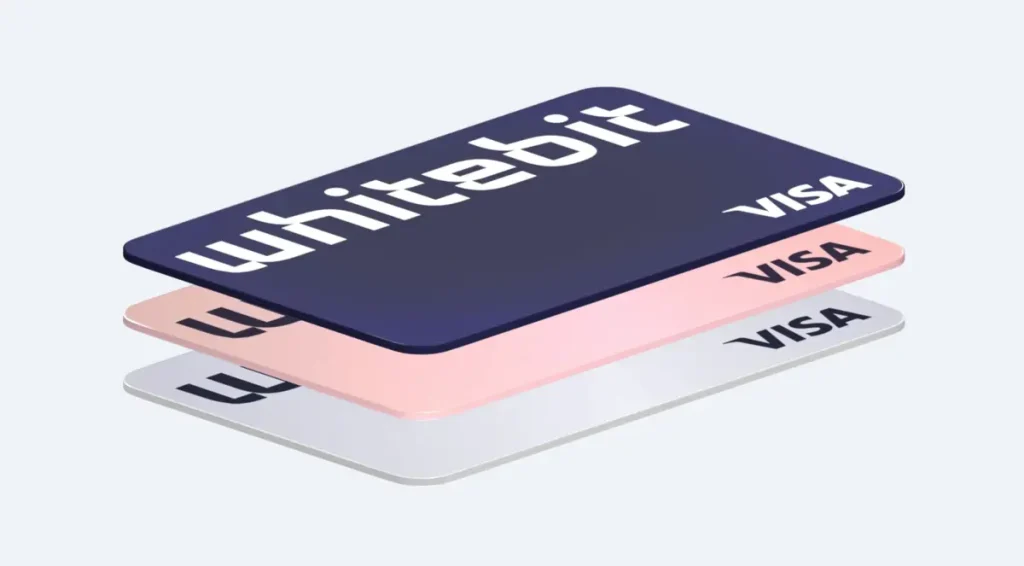
Not that long ago, WhiteBIT exchange surprised its audience with a brand-new product, the cryptocurrency debit card WhiteBIT Nova, created in partnership with Visa.
It stood out because it offers one of the most valuable benefits to clients, especially given the intense market competition. At the same time, knowing WhiteBIT’s innovative approach and its extensive product line, we wouldn’t expect anything less.
Important 2026 update: because of the end of the MiCA transitional period, the WhiteBIT Nova EUR card on whitebit.com was suspended for EU users on 30 June/1 July 2026 (WhiteBIT migration notice). Cards stay in your account but cannot be used until WhiteBIT Europe (whitebit.eu) launches. WhiteBIT’s Austrian entity, WB-Shield Innovations GmbH, has received a MiCA licence. Once the new platform is live, EU users are expected to get a 6-month grace period to verify on whitebit.eu and migrate their card. WhiteBIT also stopped accepting new EU/EEA registrations on whitebit.com from 21 July 2026. The WhiteBIT Nova USD card is aimed at users outside the EU.
Key features (Nova EUR card, when active)
- Support of 11 cryptos. With crypto debit card WhiteBIT Nova, you can make daily payments using USDC, BTC, ETH, XRP, SOL, NEAR, ADA, AVAX, WBT, EURI and DOGE held on your Main balance.
- No card service fees. Opening, maintaining or closing the card is free, with no monthly or inactivity fee. Transaction fees are up to 1%.
- Apple Pay / Google Pay support. The card can certainly be added to the mobile wallet for extra convenience.
- Withdrawals via ATMs. Physical card owners can withdraw cash at ATMs for €3 per withdrawal in the EEA (€3 + 2.2% outside the EEA), up to €1,000 per day and €3,000 per month.
- Limits. Up to €10,000 per day and €25,000 per month in spending.
Rewards
- Up to 10% cashback. The card allows receiving cashback in Bitcoin or WhiteBIT Coin. There are various categories to choose from (for example subscriptions, taxis and groceries), with up to 3 active categories at a time. Cashback is capped at €25 per month and can be claimed once you reach 5 USDC.
- Invite program. WhiteBIT has run invite bonuses for active card owners. Check the current terms in the app, as referral rewards change.
How to get the card?
For EU residents, new applications are on hold until whitebit.eu is live. When it reopens, WhiteBIT’s published process looks like this:
- Sign up on WhiteBIT exchange (or WhiteBIT Europe once launched for EU residents) and pass KYC.
- Go to the “Nova Card” section and click “Get Your Card Today.”
- Provide proof of address.
- Choose the type of the card: the digital or the physical one. Physical delivery is charged.
You can simply hold your assets on the Main balance of the WhiteBIT exchange, and the card will use them for payments in the order you set up.
Which Crypto Card Has the Lowest Fees?
No crypto card is cheapest for everyone. As of 7 October 2026, the Trade Republic Card and the Revolut crypto card charge no fee when a payment is funded from crypto (Revolut’s free plan adds 1% above €1,000 of exchanges a month), the Bybit EU Card charges 0.9% and Bitpanda its normal trading fee. The eToro card is cheapest for travel and cash if you already hold Platinum Club status.
Fees are another major factor that eat into potential crypto rewards. Here is an overview of the fees charged by each card provider for EU/EEA residents, based on the issuers’ published fee pages in September 2026 (Crypto.com figures from its Europe card fees and limits page):
| Fee Types | Bybit EU Card | Crypto.com Card (EU) | eToro Card (EU) | WhiteBIT Nova EUR |
|---|---|---|---|---|
| Monthly/Annual card fee | None | None for the card; rewards need a Level Up plan (from €3.99/month) or CRO stake | None for the card; requires Platinum or higher Club status | None |
| Crypto conversion | 0.9% | Rate shown in app when topping up with crypto | 0.6% to 1% to sell crypto in eToro wallet | Transaction fee up to 1% |
| Foreign currency (non-EUR) | 0.5% on top of Mastercard rate | Midnight: 0.2% in EU/UK, 2% outside. Ruby/Jade/Indigo: free outside EU/UK up to €400/€800 per month, then 2% (from 1 Oct 2026). Higher tiers: none | No FX fees | See issuer terms |
| ATM Withdrawal | €100/month free, 2% after | €200 to €1,000/month free by tier, 2% after | €2,500/month free (Platinum), €12,000 (Platinum+/Diamond), 1% after | €3 per withdrawal in EEA; €3 + 2.2% outside |
| Inactivity Fees | None | €6/month after 12 months without activity (since 1 Oct 2026) | See eToro fee page | None |
| Physical card | First card free, replacement €5 | Midnight €4.99; Ruby €24.99 for new monthly Plus subscribers, otherwise free | Free (incl. delivery) | Card free, delivery charged |
Wirex One: no subscription fee and zero advertised FX markup. ATM allowances depend on your tier. Check the fee schedule in the app, as Wirex has not published a full EEA fee table for Wirex One on its public help pages.
Overall, the cheapest way to use any of these cards is to hold euros for everyday spending and only convert crypto when you need to. Conversion fees and spreads are where most of the cost hides.
What Are the Spending Limits on Crypto Debit Cards?
As of September 2026, daily purchase limits on these cards range from €5,000 (Bybit EU Tier 1) to €25,000 (Crypto.com), and daily ATM limits range from €1,000 (WhiteBIT Nova) to €2,000 (Bybit EU and Crypto.com).

Daily, monthly and annual spending limits vary widely across cards. Here are the current published limits for EU cardholders:
| Card | Daily ATM Limit | Daily Spend Limit | Monthly Spend Limit |
|---|---|---|---|
| Bybit EU Card (Tier 1) | €2,000 (monthly €2,000) | €5,000 | €10,000 (up to €50,000 at Tier 3) |
| Crypto.com (all EU tiers) | €2,000 (monthly €10,000) | €25,000 | €25,000 |
| eToro Card | See eToro’s account activity limits (not published in the card fee table) | ||
| WhiteBIT Nova EUR (when active) | €1,000 (monthly €3,000) | €10,000 | €25,000 |

Crypto.com offers the highest standard purchase limits (€25,000 per day and month on every tier). Bybit gives you high limits once you move up its limit tiers, which you can request in the card dashboard (eligibility conditions apply).
Which Cryptocurrencies Can You Spend With Each Card?
As of September 2026, Crypto.com supports the most assets, with 100+ cryptocurrencies for card top-ups. The Bybit EU Card spends USDC, BTC, ETH, MNT, GRAM, XRP and EURC, while the eToro card only spends EUR, so crypto must be sold first.
- Leading crypto debit card providers like Crypto.com and eToro offer extensive card services, but they handle crypto very differently. Crypto.com lets you top up the card straight from crypto, while eToro requires you to convert crypto into EUR first.
Bybit EU Card Supported Cryptocurrencies
- USD Coin (USDC)
- Bitcoin (BTC)
- Ethereum (ETH)
- Mantle (MNT)
- GRAM
- XRP
- Euro Coin (EURC)
Crypto.com Card Cryptos
- 100+ cryptocurrencies can be used to top up the card, including BTC and ETH (full list in the app under Card → Top Up)
eToro Card Cryptos
- Crypto held in the eToro crypto wallet can be sold into your EUR account and then spent with the card
Wirex One Cryptos
- The card spends from your fiat and eligible crypto/stablecoin balances in Wirex One, converting automatically before payment
WhiteBIT Nova Cryptos (when active)
- USDC, BTC, ETH, XRP, SOL, NEAR, ADA, AVAX, WBT, EURI and DOGE
Crypto.com has the widest support with 100+ coins. But review which assets you want to spend before deciding. Stablecoins like USDC or EURC avoid price swings between the moment you load and the moment you pay. Every card payment funded from crypto is effectively a sale at the current spot price; our spot trading guide explains how that works.
What Are the Top Crypto Card Benefits?
The top crypto card benefits are spending crypto anywhere Visa or Mastercard is accepted without first selling to a bank, cashback of about 1% to 5% for most EU users, instant virtual cards for Apple Pay and Google Pay, and low or zero FX fees on some cards.
- Spend crypto directly. Spend-from-balance cards (Bybit EU, Wirex One, Bitpanda, Revolut’s crypto card) convert crypto to euros at the moment you pay, so there is no wait for a bank transfer.
- Cashback on everyday spending. As of September 2026: a flat 1% uncapped on the Bybit EU Card (non-VIP), 1.5% to 4.5% in CRO on paid Crypto.com plans, 0.5% to 8% in USD on Wirex One, and 1% on crypto-funded payments with the Bitpanda Card.
- Low FX costs abroad. The eToro card charges no FX fees for eligible Club members, and Bitpanda lists 0% FX on non-euro payments (the Visa exchange-rate mark-up still applies).
- Free cash allowances. Free monthly ATM withdrawals range from €100 (Bybit EU) to €12,000 (eToro Platinum+ and Diamond).
- Instant virtual cards. The five main cards in our comparison (Bybit EU, Crypto.com, eToro, Wirex One and WhiteBIT Nova) all offer a virtual card you can add to Apple Pay or Google Pay before the plastic arrives, and Revolut lets you create a virtual crypto card in its app.
- Perks on higher tiers. Crypto.com includes subscription rebates (Spotify, Netflix) from the Plus plan; higher tiers on several cards add bigger ATM allowances and priority support.
The benefits that are often overstated: “up to” cashback rates usually need a subscription, a token stake or VIP status, conversion fees can cancel most of a 1% reward, and rewards paid in a volatile token can lose value before you sell them.
How Do You Earn Crypto Cashback With a Debit Card?
To earn crypto cashback with a debit card, choose a card whose reward rate fits your spending, meet its conditions (plan, stake, tier or savings plan), pay from the balance that qualifies for rewards, and check that your purchases are not in an excluded category. Then compare the reward with the conversion fee you pay.
- Pick the reward model. Flat cashback with no conditions (Bybit EU, 1% for non-VIP users), tiered cashback that needs a plan or stake (Crypto.com: 1.5% on Plus at €3.99/month, 2.5% on Pro at €24.99/month, with monthly limits), or holdings-based tiers (Wirex One, 0.5% to 8%).
- Meet the conditions. Crypto.com pays 0% on the free Basic plan; Wirex One’s higher tiers need a WPAY share of your portfolio; Trade Republic’s Saveback needs a savings plan of at least €50 a month.
- Pay from the right balance. Bitpanda pays its 1% only on payments funded by crypto; payments from euros, metals or stablecoins are excluded.
- Check exclusions and caps. Most programmes exclude categories such as gambling, money transfers and top-ups, and many cap rewards per month.
- Net out the fees. If a 0.9% crypto conversion fee applies (Bybit EU), 1% cashback nets about 0.1%; spending a euro balance on the same card avoids the conversion fee.
- Keep records. In many EU countries spending crypto is a taxable disposal and rewards may count as income.
Break-even rule for paid plans: monthly fee ÷ reward rate = spending needed to break even. A €3.99 plan paying 2% needs about €200 of monthly spending before it earns anything; a €24.99 plan paying 3% needs about €833.
Advertised vs Real Cashback: What Does €500 a Month of Spending Earn?
On €500 a month of crypto-funded card spending in euros, the Trade Republic Card returns about €10 and the Bybit EU Card about €0.50 after its conversion fee, while Bitpanda’s 1% is almost cancelled by its trading fee (checked 13 October 2026).
Assumptions: €500 of everyday purchases in euros inside the EU, paid from a crypto balance, cheapest card version unless stated, no excluded merchant categories. Market spreads that an issuer does not publish as a number are left out.
| Card | Advertised | Reward on €500 | Cost to earn it | Net per month | Conditions and caps |
|---|---|---|---|---|---|
| Trade Republic Card | 2% Crypto Saveback (crypto page) | €10 | No extra fee for crypto-funded payments | about €10 | Saveback is invested into a savings plan, not paid as cash; you must invest at least €50 a month in savings plans; maximum €30 a month (Saveback FAQ) |
| Bybit EU Card | 1% cashback, no cap, for non-VIP users (announcement) | €5 | 0.9% crypto conversion fee: €4.50 (fees and limits) | about €0.50 | Spending a EUR balance on the same card avoids the 0.9% fee, so the full €5 stays |
| Bitpanda Card | 1% cashback on crypto spending (card page) | €5 | Trading fee for selling the payment asset (card terms 4.2): 0.99% for Bitcoin (€4.95), 1.49% for most other coins (€7.45) (cost transparency) | about €0.05 (BTC) or −€2.45 (altcoin) | No cashback when you pay with euros, metals or stablecoins; card for euro-area residents only |
| Crypto.com Visa (Midnight Blue) | Free card | €0 | None | €0 | 0% CRO rewards on the free tier (EEA cards page) |
| Crypto.com Visa (Ruby Steel) | 1.5% CRO rewards | €7.50 in CRO | €3.99 a month (or a €450 12-month CRO lock-up) | about €3.51 | Paid in CRO, whose value moves; Crypto.com lists “earn up to USD 750/mo” for this tier (EEA cards page) |
| Crypto.com Visa (Jade Green / Royal Indigo) | 2.5% CRO rewards | €12.50 in CRO | €24.99 a month (or a €4,500 lock-up) | about −€12.49 | Breaks even only above about €1,000 of monthly spending |
| eToro card | Up to 4% back in stocks, up to €100 a month, until 31 December 2026 (card page) | Up to €20 in stock | Platinum Club status: by balance, or eToro’s Club subscription from $4.99 a month (Club page) | up to about €15.50 on a paid subscription | The rate depends on Club tier and country, and eToro does not publish the split on the card page; the card spends euros, so crypto must be sold first |
The pattern is the same across issuers: the advertised rate is a ceiling, and the real return depends on which balance you pay from, a monthly cap and any plan you pay for. The eToro row assumes the full 4% and converts the $4.99 subscription at about €4.46; at a lower rate the net falls accordingly.
Do Crypto Card Rewards Require Staking or a Subscription?
Often, yes. As of September 2026, Crypto.com pays card rewards only on a paid Level Up plan or a 12-month CRO stake, and Wirex One’s higher tiers require WPAY holdings, while the Bybit EU Card’s 1% cashback needs neither.

Many rewards cards require you to pay a subscription or stake/hold tokens to access higher rewards and benefits. For example:
- Crypto.com cards require a Level Up subscription or a 12-month CRO stake for any spending rewards
- Higher Wirex One cashback tiers require holding a share of your portfolio in WPAY (no lock-up)
- eToro’s card and its stock-back offer are only available from Platinum Club status
- Bybit’s higher 2% to 10% rates are reserved for VIP clients
Realistic reward rates for EU cardholders in September 2026 range from about 1% to 5%:
- A flat 1% on everything (Bybit EU, non-VIP)
- 1.5% to 4.5% in CRO on paid Crypto.com plans
- Up to 8% on Wirex One’s top tiers, or up to 10% on selected WhiteBIT categories (with a €25 monthly cap, currently paused in the EU)
- Rebates on services like Netflix and Spotify
Higher rewards generally come with subscriptions, token holdings or monthly caps, so check the conditions behind any “up to” rate.
How Staking for Crypto Card Rewards Works
Staking involves locking up an amount of tokens to “stake” your interest in the ecosystem.
Holding period: Crypto.com’s Level Up staking and lockups run for 12 months. If you unstake or cancel your subscription, you drop back to the Basic plan and its 0% card rewards.
Subscription vs staking: A subscription costs you a fixed fee but leaves your capital free. Staking avoids the fee but ties up capital in a single, volatile token.
Tier benefits: Higher tiers boost card rewards and add perks like subscription rebates, lower FX fees, bigger free ATM allowances and priority support.
Risks: Staked or held tokens are exposed to price drops that can easily wipe out years of cashback. Don’t overinvest in a card issuer’s token just to unlock a higher rate. If you hold crypto as an investment rather than for spending, our crypto trading strategies guide covers position sizing.
Do the maths before committing. A €24.99 monthly plan only pays off if you spend enough each month for the extra rewards to beat the fee.
How Do Crypto Cards Work?
A crypto debit card links to your exchange or wallet balance and converts crypto into euros when you pay or top up, so you can spend it anywhere Visa or Mastercard is accepted.
A cryptocurrency card integrates directly with your cryptocurrency exchange wallet (or, with Wirex One, a self-custody wallet) and converts your crypto to fiat when you make a transaction. For example, when you spend €50, the card deducts the crypto equivalent (plus any conversion fee) from your balance.
This allows you to spend crypto anywhere major debit cards are accepted. When combined with cashback programs, crypto debit cards let you get everyday utility from Bitcoin, Ethereum, stablecoins and other coins seamlessly.
There are two main models:
- Spend-from-balance cards (Bybit, WhiteBIT, Wirex One): the card draws from your account balance and sells crypto automatically at the moment of payment if you don’t hold enough fiat.
- Prepaid/top-up cards (Crypto.com, and eToro via its EUR account): you first move funds onto the card or into a EUR account, then spend from that balance.
The main benefits of crypto cards:
- Spend crypto anywhere major cards are accepted
- Access crypto gains without manually withdrawing to a bank
- Earn rewards like cashback and subscription rebates
- Instant virtual cards for Apple Pay and Google Pay
- Retain ownership of crypto until you spend it (spend-from-balance cards)
Since 1 July 2026, any company providing crypto-asset services to EU residents needs a MiCA authorisation. Before you apply, check that the provider behind your card is listed in ESMA’s MiCA register (our MiCA licence tracker lists every firm in it).
Are Crypto Card Rewards and Spending Taxed in the EU?
Usually, yes. In most EU countries, paying with crypto counts as disposing of it and can trigger capital gains tax, and cashback or staking rewards may be taxed as income. Rules differ by country.
Many cards offer great rewards like cashback, staking returns and sign-up bonuses. Tax treatment differs from country to country in Europe, but crypto debit card spending and rewards often have tax consequences:
- Spending crypto is usually treated as selling it, so paying with a card can trigger a capital gain or loss on the crypto used
- Cashback may be treated as a rebate or as income, depending on your country
- Staking rewards are commonly taxed as income
- Referral and sign-up bonuses are usually taxable
The taxes can be complex due to fluctuating crypto prices. You may owe capital gains taxes when you sell reward tokens at a profit.
Since 1 January 2026, the EU’s DAC8 directive requires crypto-asset service providers to collect data on EU users’ crypto transactions and report it to tax authorities, with the first exchanges between countries due by 30 September 2027 (European Commission, DAC8). Your tax office will increasingly have independent data on your crypto activity.
Keep detailed records of:
- Rewards received
- Euro value of rewards when received
- Crypto sold or converted to pay for purchases
- Any gain/loss when you sold the tokens
It takes effort to properly account for crypto debit card rewards at tax time. But accurate records are essential to avoid problems with your national tax authority down the road. When in doubt, speak to a local tax adviser.
How Safe Are Crypto Debit Cards?
Crypto debit cards use the same EMV chip, PIN and 3D Secure protections as bank cards. The bigger risk is the company holding your crypto, so choose a MiCA-authorised provider and enable two-factor authentication.
These cards can potentially give access to digital currency worth thousands of euros. Strong fraud protection is a must.
Here are some common protections:
- Chip cards make counterfeiting nearly impossible
- PIN codes to authorize transactions
- Virtual card numbers for online purchases
- 3D Secure confirmation for online payments
- Address verification ensures cards only ship to your registered address
You can also take steps to prevent fraud:
- Never share card details except when making a legitimate purchase
- Check statements often and report suspicious charges
- Use unique PIN codes not used on any other cards
- Set low daily limits on your card account, especially for online payments
- Enable 2FA on the exchange account behind the card
Between issuer protections and smart account hygiene, card users can keep their funds safe and secure.
How Do the Cards Compare on Security and Custody?
Wirex One is the only self-custody option among the five cards compared here. Bybit EU, Crypto.com, eToro and WhiteBIT Nova hold your funds in custodial accounts, and all five offer virtual cards with Apple Pay and Google Pay.
Since cards give access to your valuable digital assets, security and custody matter. Here is what the issuers publish:
| Security Features | Bybit EU Card | Crypto.com Card | eToro Card | Wirex One | WhiteBIT Nova |
|---|---|---|---|---|---|
| Custody model | Custodial (exchange) | Custodial (prepaid) | Custodial (EUR account) | Self-custody | Custodial (exchange) |
| Virtual card | ✓ | ✓ | ✓ | ✓ | ✓ |
| Apple Pay / Google Pay | ✓ (also Samsung Pay) | ✓ | ✓ | ✓ | ✓ |
| Choose which crypto is spent first | ✓ (up to 3 assets) | Top-up choice | n/a (EUR only) | Automatic conversion | ✓ (spending priority) |
| Custom online spending limit | ✓ | ||||
| Block/replace lost card in app | ✓ | ✓ | ✓ | ✓ | ✓ |
All of these cards are EMV chip cards with PIN protection and in-app controls. Custodial cards are only as safe as the company holding your funds, which is why MiCA authorisation matters in 2026. With Wirex One you hold your own assets, but you are also responsible for securing your account access.
Compare the layers of security before deciding on a provider.
What Customer Support Does Each Crypto Card Offer?
All five card issuers run an online help centre. Crypto.com and eToro add chat support, and Crypto.com (from the Pro plan) and Wirex One (from the Private tier) give faster or dedicated support to higher-tier customers.
Having strong customer support is essential for resolving any issues with your card, rewards or transactions. Here is an overview of the support channels:
- Bybit EU: help centre, support email (support@bybit.eu) and web form.
- Crypto.com: in-app chat and help centre. Priority support starts at the Pro plan, and voice/messaging support is for Private members.
- eToro: help centre and live chat. Club members get additional service channels, including account managers at higher tiers.
- Wirex One: help centre and in-app support. Private tier and above get a named account manager.
- WhiteBIT: 24/7 support and help centre, where the Nova card migration steps are published.
Most leading card providers offer in-app chat, which is crucial for addressing time-sensitive issues like a blocked card abroad. Paid tiers generally get faster or more personal support.
Compare response times and access channels to gauge the quality of customer service.
Which Banks Offer Crypto Debit Cards?
As of October 2026, the main European banks whose cards can spend crypto directly are Revolut and Trade Republic. Most other crypto cards, including Bybit, Wirex One and Bitpanda, are issued by e-money institutions rather than banks, so card balances are not covered by bank deposit insurance.
- Revolut (Revolut Bank UAB): lets you create a crypto card in the app and link it to a crypto balance; Revolut converts the crypto when you pay, with no exchange fees but possible fair-usage fees, and it says it does not offer cashback on crypto card payments. The crypto service is run by Revolut Digital Assets Europe Ltd.
- Trade Republic (Trade Republic Bank GmbH, supervised by BaFin and the Bundesbank): announced on 14 November 2025 that its card can pay directly from a crypto balance with 2% “Crypto Saveback” on up to €1,500 of monthly spending. Its German help centre currently describes 1% Saveback on card payments, capped at €15 a month, paid into a savings plan of at least €50.
- Other banks in the MiCA register, such as BBVA, Commerzbank, DZ BANK and N26 Bank, are authorised for crypto services like custody or order execution. That lets you buy and hold crypto with the bank; it does not mean their debit cards spend crypto, so ask the bank before you assume it.
| Provider | Type | How crypto is spent | Rewards | FX / conversion | Regions | MiCA status | Best for | Drawback | Checked on |
|---|---|---|---|---|---|---|---|---|---|
| Revolut crypto card | Bank (Revolut Bank UAB) | Card linked to one or all crypto balances, converted at payment | No cashback on crypto card payments | No exchange fee; fair-usage fees may apply | EEA (excluding some countries, e.g. Hungary, where crypto services are stopping) | Revolut Digital Assets (Europe) Ltd, CySEC, 20 Oct 2025 | Existing Revolut users | No rewards | 2 October 2026 |
| Trade Republic Card | Bank (Trade Republic Bank GmbH) | Pay with crypto from the Crypto Wallet | Saveback into a savings plan (1%, up to €15/month on cash spending; 2% Crypto Saveback announced Nov 2025) | Not published on the pages we checked | Countries where Trade Republic operates | Trade Republic Bank GmbH, BaFin, 28 Apr 2025 | Investors who already run savings plans | Rewards need a €50/month savings plan and are capped | 2 October 2026 |
| Bitpanda Card | Crypto broker (card issued by Transact Payments Malta) | Choose a main and fallback asset; converted at payment | 1% on crypto-funded payments | 0% FX (Visa mark-up applies); Bitpanda trading premium on conversion | Euro-area residents only | Bitpanda GmbH, FMA, 9 Apr 2025 | Spending many different crypto assets | ATM fee 2% or €2, whichever is higher | 2 October 2026 |
How Should You Use Crypto Debit Card Aggregator Comparisons?
Crypto debit card aggregator comparisons list many cards side by side, which is useful for a shortlist, but they are often global, affiliate-ranked and out of date. Use them to find candidates, then confirm fees, rewards and EU availability on each issuer’s own page and in ESMA’s MiCA register.
- Check the date. Card terms changed a lot around the MiCA deadline of 1 July 2026 (Wirex, WhiteBIT, Bybit and eToro all changed their EU programmes), so ignore comparisons without a recent “checked” date.
- Filter by your country. Many aggregators mix US, UK and EU cards. A card that is “available” globally may be closed to new EU applicants.
- Compare the same columns. Card and monthly fee, crypto conversion fee, FX fee, free ATM allowance, cashback rate and cap, conditions (plan, stake, tier), custody and MiCA status.
- Read “up to” rates as maximums. Look for the rate you would get on the free tier.
- Look for the disclosure. Rankings on many comparison sites, including ours, may involve affiliate links; a good comparison says so and lists drawbacks for every card.
Examples we checked on 2 October 2026: Card Pilled describes itself as an independent aggregator comparing 173+ crypto debit and credit cards by cashback, fees and regional availability; Spark’s comparison table covers cards such as Fold, BitPay, Coinbase, Crypto.com, Gnosis Pay and Baanx; CryptoSlate and CoinLedger publish editorial rankings, and CoinLedger’s list was still titled “April 2026”. Global tools mix US-only and EU cards, so always filter by your country.
Our own comparison tables above follow these rules: every figure links to or comes from the issuer’s official page, each provider has a drawback, and the MiCA lines below were checked against ESMA’s register on the date shown.
How to Apply for a Crypto Debit Card: Step-by-Step
To apply for a crypto debit card, choose a MiCA-authorised issuer that serves your country, create an account, pass ID and proof-of-address checks, order a virtual or physical card in the app, fund it with crypto or euros, and activate it.
The process is similar for every issuer. Here is the general sequence, followed by the specific steps for each card:
- Check eligibility. Confirm the card is offered in your country of residence and that the provider is MiCA-authorised for EU residents. Some programmes exclude certain countries (Bybit EU, for example, doesn’t accept proof of address from Croatia or Ireland).
- Create an account with the issuer. Use the issuer’s EU platform if it has one (e.g. bybit.eu rather than bybit.com).
- Complete identity verification (KYC). Upload a passport, national ID card, EEA/Swiss residence permit or driving licence, and take a selfie.
- Verify your address. Upload a utility bill, bank statement or similar document, usually issued within the last three months.
- Choose your card and plan. Pick virtual (instant) or physical (delivered by post), and any paid tier, subscription or staking level if you want higher rewards.
- Fund your account. Deposit crypto or euros (SEPA), then set which assets the card should spend and in what order.
- Activate and secure the card. Activate the physical card in the app, set a PIN, add the card to Apple Pay or Google Pay, and set spending limits.
- Make a small test purchase. Check the conversion rate, fees and cashback before you use it for bigger payments.
How to Apply for the Bybit EU and Crypto.com Cards
Bybit EU Card:
- Create and verify your Bybit account on Bybit EU if you haven’t already done so.
- Go to Finance → Card → Get Your Card, and select your country of residence.
- Complete identity verification and address verification (proof of address from an eligible EEA country, issued within the last three months).
- Once approved, use the virtual card straight away or order the physical card (first card free), then activate it.
Crypto.com Card:
- Download the Crypto.com app and complete the sign-up process, including KYC (Know Your Customer) verification.
- Choose a Level Up plan: Basic (free, 0% rewards), or Plus/Pro by subscription, or a 12-month CRO stake for Plus, Pro or Private.
- Apply for the card that matches your plan on the Card page in the app.
- Top up the card with crypto, EUR or a debit/credit card, then activate your physical card when it arrives.
How to Apply for the eToro, Wirex, Revolut, Bitpanda and WhiteBIT Cards
eToro Visa Card:
- Sign up for an eToro account, providing all necessary personal information and completing identity verification.
- Reach Platinum, Platinum+ or Diamond Club status (EU residents), by tier balance or a Club subscription.
- Open your eToro EUR account and order the card from the Wallet tab.
- Activate it under Wallet → your EUR account → Manage Card. Check the app for the current stock-back offer, which needs Platinum status or higher.
Wirex One Card:
- Register for a Wirex account by installing the Wirex One app and passing KYC verification.
- Fund your Wirex One account with crypto, stablecoins or fiat.
- Your virtual card is available straight away. Add it to Apple Pay or Google Pay, and order a physical or metal card if your tier allows.
- Check your tier (based on portfolio size and WPAY share) to see your cashback rate.
Revolut crypto card: open the Crypto section of the Revolut app, set up your crypto account, tap the card icon, choose a design and the crypto balance to spend from, then use the virtual card or order a physical one.
Bitpanda Card: you need a verified Bitpanda account and residence in a euro-area country; order the card in the app, choose a main and a fallback payment asset, and activate it with your CVV.
WhiteBIT Nova Card: EU residents currently need to wait for WhiteBIT Europe to launch, then register and verify there to open or migrate a Nova EUR card.
For each of the cards, always review the user agreement, fee structure, and rewards program carefully before applying to make sure it meets your expectations and requirements. Also, keep your personal information secure during the application process to protect against identity theft or fraud.
Key Crypto Card Terms Explained
Five terms explain most of the differences between the crypto debit cards on this page.
- MiCA
- The EU Markets in Crypto-Assets Regulation. Since its transitional period ended on 1 July 2026, crypto-asset service providers serving EU residents need a MiCA authorisation.
- Spend-from-balance card
- A card that sells crypto from your exchange or wallet balance at the moment you pay (Bybit EU, WhiteBIT Nova, Wirex One).
- Prepaid card
- A card you top up first, from crypto, euros or another card, and then spend from that balance (Crypto.com).
- Crypto conversion fee
- The percentage charged when crypto is converted into euros to pay, for example 0.9% on the Bybit EU Card.
- Level Up plan
- Crypto.com’s membership tiers (Basic, Plus, Pro, Private). Your plan, bought by subscription or a 12-month CRO stake, sets your card tier and reward rate.
Which Card Providers Are MiCA-Authorised in the EU?
Seven of the nine providers on this page appear in the EU’s official crypto register and two (Wirex and Binance) do not. The register names the exact legal entity, its regulator, how many of the ten MiCA services it may provide and which EEA countries it can passport into, which is what decides whether you can legally open the account from your country.
MiCA Status of Bybit, Crypto.com, eToro and WhiteBIT
Bybit — checked on 7 October 2026 against the ESMA interim MiCA register (crypto-asset service provider file, last updated 30 September 2026): authorised as Bybit EU GmbH by Austria’s Financial Market Authority (FMA) on 28 May 2025, LEI 5299005V5GBSN2A4C303, five of the ten MiCA services, passported into 29 EEA states. Malta is the one EEA market not covered.
Crypto.com — checked on 7 October 2026: authorised as Foris DAX MT Limited by the Malta Financial Services Authority (MFSA) on 27 January 2025, LEI 2549005CVR5HH70FDO07, six MiCA services, passported into 29 EEA states.
eToro — checked on 7 October 2026: authorised as eToro (Europe) Ltd by the Cyprus Securities and Exchange Commission (CySEC) on 16 January 2025, LEI 213800GIFQMSV7HROS23, seven MiCA services, passported into all 30 EEA states — the widest coverage of any provider here. The card itself is an eToro Money product tied to your Club tier, not one of the authorised MiCA services.
WhiteBIT — checked on 7 October 2026: authorised as WB-Shields Innovations GmbH, trading as WhiteBIT EU, by Austria’s FMA on 18 June 2026, LEI 254900ERDZ4CZ5IF7P56, five MiCA services, 29 EEA states. The licence does not yet get you the card: whitebit.com stopped new EU and EEA registrations on 21 July 2026, and the Nova EUR card stays suspended for EU users until whitebit.eu opens.
MiCA Status of Wirex, Binance, Revolut, Trade Republic and Bitpanda
Wirex — checked on 7 October 2026: no Wirex entity appears in the register. Wirex’s own Wirex One terms state that the EEA card service is provided by Transact Payments Malta Limited (company number C 91879), an electronic money institution authorised by the MFSA. That is e-money authorisation for the card, not a MiCA crypto-asset licence for the exchange side.
Binance — checked on 7 October 2026: no Binance entity appears in the register. Binance withdrew its Greek MiCA application on 24 June 2026 and told users in France, Italy, Poland and Spain it would stop crypto services from 1 July 2026. The Binance Card has not been issued in the EEA since 20 December 2023.
Revolut — checked on 7 October 2026: the crypto service is authorised as Revolut Digital Assets (Europe) Ltd by the Cyprus Securities and Exchange Commission (CySEC) on 20 October 2025, six MiCA services, passported into 29 EEA states. The card itself is a payment service of Revolut Bank UAB.
Trade Republic — checked on 7 October 2026: authorised as Trade Republic Bank GmbH by Germany’s BaFin on 28 April 2025, four MiCA services (custody, order execution, reception and transmission of orders, transfers), passported into all 30 EEA states.
Bitpanda — checked on 7 October 2026: authorised as Bitpanda GmbH by Austria’s FMA on 9 April 2025, seven MiCA services, passported into all 30 EEA states. The Bitpanda Card is issued by Transact Payments Malta Limited, an MFSA-regulated financial institution, and is only available to residents of euro-area countries.
Who Is a Crypto Debit Card For, and Who Should Avoid One?
A crypto card fits you if you already keep crypto on the issuing platform and want to spend it without first selling to a bank account. It is not a good fit in four cases: you need a card now in a market where issuance is paused (the Nova EUR card for EU users, the Binance Card across the EEA); you spend mostly in a currency other than your card currency and the card charges an FX markup; you would have to lock capital in a staking tier or pay a monthly subscription before the advertised cashback rate applies; or you want deposit protection, because card balances are e-money and are not covered by the €100,000 bank deposit guarantee.
Two further limits are worth knowing before you apply. Rewards paid in a volatile token can be worth less by the time you sell them, and in most EU countries spending crypto counts as a disposal, so each card payment can be a taxable event. If either of those matters more to you than the convenience, selling once and funding a normal fiat card is the simpler route.
Which Crypto Debit Card Should You Choose?
By our published scores, the Trade Republic Card is the strongest choice if you live in one of the 18 countries Trade Republic serves, followed by the Revolut crypto card and the Bybit EU Card. Crypto.com suits heavy spenders on paid plans, and eToro suits Club members who travel.
How We’d Choose a Crypto Debit Card in 2026
In the first version of this guide, which compared the eToro Card with the Bybit, Crypto.com and Wirex cards, the eToro Card was our pick as the best overall Binance alternative. The 2026 picture is more nuanced, so here is how we’d choose today:
- Best overall by score: Trade Republic Card. No extra fee on crypto-funded payments and 2% Crypto Saveback on up to €1,500 of monthly spending, as long as you run a savings plan of at least €50 a month. Only available in the 18 countries Trade Republic serves.
- Best for cashback without conditions: Bybit EU Card. It has no annual fee, 1% uncapped cashback, spends directly from crypto and is MiCA-regulated. Watch the 0.9% conversion fee.
- Best for heavy spenders who want perks: Crypto.com. Rewards of 1.5% to 4.5% with subscription rebates, as long as the subscription or CRO stake pays for itself.
- Best for eToro investors and travellers: eToro Card. Zero FX fees and large free ATM allowances for Platinum members and above. Its stock-back offer also needs Platinum status, and it’s less convenient if you want to spend crypto directly.
- Not ranked: Wirex One. Self-custody and cashback in USD, but no Wirex entity is in ESMA’s MiCA register, so it fails our MiCA gate.
- Best for existing Revolut users: the Revolut crypto card. It spends from your crypto balance with no exchange fee (1% above €1,000 of monthly exchanges on the free plan) but pays no cashback.
- Best for spending many assets in the euro area: Bitpanda Card. Free card, 1% back on crypto-funded payments, but a 2% or €2 ATM fee and euro-area residents only.
- Wait and see: WhiteBIT Nova. It has strong category cashback, but it’s paused for EU users until whitebit.eu launches.
Armed with this analysis, you can pick the perfect card for your needs and start spending crypto today. Crypto-assets are volatile, and card rewards paid in crypto or stocks can lose value. Only spend and hold what you can afford to lose.
Frequently Asked Questions
What are the best crypto debit cards?
As of 7 October 2026, the best crypto debit cards for EU residents by our published scoring method are the Trade Republic Card (no extra fee on crypto-funded payments, 2% Crypto Saveback), the Revolut crypto card (no exchange fee) and the Bybit EU Card (flat 1% uncapped cashback, no annual fee), followed by the Bitpanda, eToro and Crypto.com cards.
What is the best crypto debit card in Europe?
By our published scores, the Trade Republic Card is the best crypto debit card in Europe in October 2026 if you live in one of the 18 countries Trade Republic serves. It charges no extra fee on crypto-funded payments and pays 2% Crypto Saveback into a savings plan. Elsewhere, the Revolut crypto card (no exchange fee) and the Bybit EU Card (1% uncapped cashback) are the next best options.
What are the top crypto card benefits?
The top crypto card benefits are spending crypto anywhere Visa or Mastercard is accepted without selling to a bank first, cashback of about 1% to 5% for most EU users (for example a flat 1% on the Bybit EU Card), instant virtual cards for Apple Pay and Google Pay, and low or zero FX fees on cards such as eToro’s. Most higher rates need a plan, stake or tier.
How do I apply for a crypto debit card?
Pick a card offered in your country by a MiCA-authorised provider, create an account on the issuer’s EU platform, and complete ID verification and proof of address. Then order a virtual or physical card in the app, fund your account with crypto or euros, set a PIN and add the card to Apple Pay or Google Pay. Virtual cards are often usable immediately, while physical cards arrive by post.
How do you earn crypto cash back with a debit card?
Choose a card whose reward fits your spending, meet its conditions, and pay from the balance that qualifies. Bybit EU pays a flat 1% to non-VIP users, Crypto.com pays 1.5% to 4.5% only on paid plans or CRO stakes, and Bitpanda pays 1% only on crypto-funded payments. Subtract any conversion fee: a 0.9% fee leaves about 0.1% of a 1% reward.
Which banks offer crypto debit cards?
As of October 2026, Revolut and Trade Republic are the main European banks whose cards can spend crypto directly. Revolut converts crypto at payment with no exchange fee but no cashback; Trade Republic pays Saveback into a savings plan. Banks such as BBVA, Commerzbank and N26 are authorised for crypto trading or custody under MiCA, which does not mean their cards spend crypto.
How reliable are crypto debit card aggregator comparisons?
Crypto debit card aggregator comparisons are useful for a shortlist but often global, affiliate-ranked and out of date. Many EU card programmes changed around the MiCA deadline of 1 July 2026. Filter by your country, compare the same fee and reward columns, treat ‘up to’ rates as maximums, and confirm every figure on the issuer’s page and in ESMA’s MiCA register.
Which crypto card has the lowest fees?
No crypto card is cheapest for everyone. To pay directly with crypto, the Trade Republic Card and the Revolut crypto card charge no fee (Revolut adds 1% above €1,000 of monthly exchanges on its free plan), while the Bybit EU Card charges 0.9% (October 2026). For travel and cash, the eToro card has no FX fees and €2,500 to €12,000 of free monthly ATM withdrawals, but requires Platinum Club status. Holding euros on any card avoids conversion fees.
How we researched this: we compared the cards on fees, spending limits, cashback and MiCA status, using each issuer’s official card, fee and help pages and ESMA’s interim MiCA register. On 7 October 2026 we re-checked every scored figure against those pages and ESMA’s file (last updated 30 September 2026) and computed each score with our published method. On 13 October 2026 we re-checked the reward, fee and cap figures used in the €500-a-month cashback example on each issuer’s own pages. Card terms change often, so confirm the figures in the issuer’s app before you apply.
What changed: 13 October 2026: added an “advertised vs real” cashback example for €500 a month of spending on the Trade Republic, Bybit EU, Bitpanda, Crypto.com and eToro cards, with each reward, fee and cap linked to the issuer’s page. Ranking changes are listed under the ranking table.